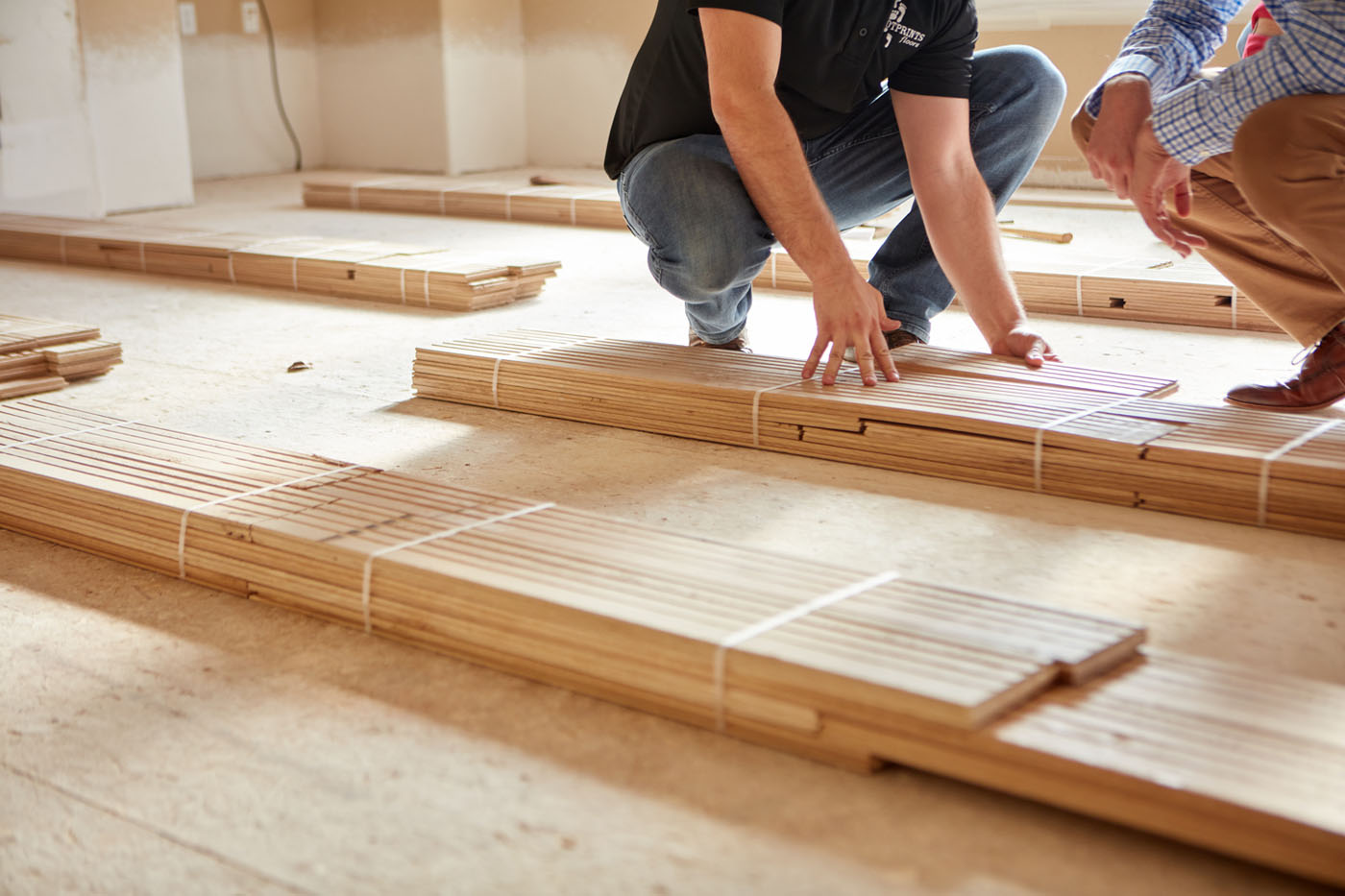

Footprints Floors specializes in expert flooring installation, no matter the material. Our skilled contractors have ample experience with hardwood, laminate, vinyl, tile, engineered wood, and more.
You can trust us with any flooring project, big or small. Just let us know your home improvement vision, and we’re here to deliver impeccable workmanship every time.
The best flooring for your home will depend on the size of the space, your lifestyle needs, and your personal style preferences. High-traffic areas like bathrooms and kitchens may benefit from water-resistant options like vinyl or tile, while bedrooms may feel more inviting with the warmth and character of hardwood.
The function of the room is also very important. Families with pets or children may prioritize a material with easy upkeep, maintenance, and stain resistance. We are happy to guide homeowners through these decisions by assessing the space and recommending flooring solutions.
Flooring installation timelines vary based on the size of your project, the type of flooring, and the condition of the subfloor. Generally, smaller rooms can be completed within a day or two, while larger or more complex projects, such as multi-room installations or custom patterns, may take up to a week.
Preparation work, like removing old flooring and repairing the subfloor, can add time to the project. When you sign onto a project with us, we provide clear timelines during the initial consultation so you know what to expect.
Flooring installation with Footprints Floors starts with a complimentary in-home consultation and free estimate. After we help you decide the best flooring type for your space, you’ll find and purchase the necessary amount of material.
We begin the project by prepping the installation space, removing existing flooring, and cleaning the subfloor thoroughly. Any necessary repairs or leveling will be completed to create a stable foundation.
The flooring will then be installed along with any baseboards, trim, or sealants. When our install team is finished, they will clean up, leaving your home as it was before the project began.
Choosing the right flooring contractor for your project will save you time, money, and stress. Look for contractors with a strong local reputation, verified licenses, and insurance coverage. Reviewing examples of past work and customer testimonials is a great way to check for reliability.
Be clear about your budget and timeline, and choose contractors like Footprints Floors who communicate openly and provide free estimates before starting the job.
Yes, all contractors working on our team are fully licensed and insured for flooring installation. They undergo specialized training and are committed to professionalism.
You can trust Footprints Floors contractors to manage your flooring project with integrity and professionalism, ensuring full compliance with local building codes and manufacturer warranty standards.
Before installation, please clear the work area of small items like décor, rugs, and valuables. Larger furniture may also need to be moved. Our team will go over the specific steps with you ahead of time so you know exactly what to expect and how to prepare.
Many of our customers go about their day while we complete the work. As long as we have access to the space and a way to reach you if needed, everything can move forward smoothly.
Our team uses protective coverings and pads to help prevent scuffs or damage to walls, baseboards, and nearby furniture.
If we uncover anything unexpected—like subfloor damage or moisture concerns—we’ll stop and walk you through the situation right away. We’ll explain your options clearly and only move forward with your approval.
We believe a job isn’t done until your space is clean. Once the installation is complete, we remove debris and thoroughly clean the work area so your new floors are ready to enjoy right away.
Throughout your project, you’ll have a dedicated point of contact to keep you updated, answer questions, and help ensure everything stays on track from start to finish.
We do not offer design services. You’ll need to know what flooring layout you want before we arrive for install. Our team can help you answer some questions about the best way to implement your desired floor design.
We also do not sell flooring materials directly, but we’re happy to advise you in selecting the right type, style, and layout. We can point you toward trusted suppliers and offer expert advice so you feel confident in your selection.
Right now, we’re seeing a shift toward wide planks and large-format tiles that help spaces feel more open and seamless.1 Warm, natural tones are also making a comeback, along with durable options like luxury vinyl plank (LVP) that give you the look of hardwood with easier maintenance.
If you’re not sure which direction to go, the Footprints Floors team is always happy to help you choose a style that fits your home and lifestyle.
For minor wear and scratches, color-matched wax sticks or stain markers are effective at temporarily blending imperfections and restoring the floor’s appearance. Anything more severe will require the tools and knowledge of a professional hardwood floor restorer.
Although gaps or small dents may seem like a DIY project, they require wood filler, sanding and staining to match the surrounding wood. DIY mistakes can lead to more damage, which will increase the overall costs of repairing the floor. It’s best to call in a professional if you are unsure.
If the damage is just to the top finish and hasn’t penetrated the wood, professionals use a technique called “screen and coat.” By lightly sanding—or screening—the old finish, a rough surface is developed that allows a new top coat to be applied and properly adhered. This approach preserves most of the floor’s original finish while giving it a refreshed look, minimizing disruption and cost.
Yes, it is possible to repair just a section of hardwood flooring when damage is localized. Footprints Floors repair technicians carefully remove the damaged area and replace it with new wood that closely matches the original color, thickness, and finish of your floor.
For cases where isolated wood floor damage is severe, sanding and staining may not be enough. That is when professionals will remove damaged boards and replace them with new ones. This may be just one plank or several, depending on the size of the damaged area. The process requires lifting out the damaged plank(s) without harming adjoining boards, then fitting a replacement that matches the existing flooring. Proper finishing and sanding after installation ensures the replacement boards match seamlessly with the rest of the floor.
The cost of floor refinishing varies based on factors like:
For the most accurate cost, it is best to consult a professional like Footprints Floors.
No, it is not recommended to DIY a floor refinishing project. Restoring hardwood floors is a complex process, requiring specialized equipment such as drum sanders, edgers, and professional-grade vacuums to control dust. Only professionals know how to sand evenly without gouging, select the right finishes, and apply them correctly. Improper techniques can lead to uneven finishes, permanent floor damage, and costly repairs.
Between the cost of renting the proper equipment and the cost of repairing amateur mistakes, hiring a professional for floor restoration is typically less expensive than a DIY attempt.
Refinishing floors is generally less expensive and disruptive than a full replacement. Many homeowners consider refinishing a practical solution to preserve their floors while minimizing time and expense.
However, some floors may be beyond repair. Floors with thin wear layers—typically less than ¾ of an inch—risk damage from sanding. Floors refinished multiple times may have insufficient wood thickness left, making further refinishing impossible. Severe structural issues like warping, large cracks, or extensive moisture damage usually require full replacement instead of refinishing.
If your floor is too damaged for restoration, Footprints Floors will give you a free estimate for the cost of replacing it.
Hardwood floors generally require refinishing every 7 to 10 years, but this can vary depending on each home. Homes with pets or children may see faster wear. High-traffic rooms, like entryways, kitchens, and living spaces, may require more frequent refinishing.
You should avoid walking on the floors for 24 to 48 hours to allow the finish to set properly. Moving furniture back onto the floors should be delayed for at least three days to prevent marks. Maintaining good ventilation and a stable temperature will also help the finish harden evenly.
While a backsplash isn’t a requirement in kitchens or bathrooms, it is a practical and wise addition. Backsplashes can protect your walls from water splashes, cooking grease, soap, and other substances. They also make cleanup simple—tile is easy to wipe down with a rag and a cleaning solution.
Beyond protection, backsplashes enhance the look of your space. With various styles, colors, and textures, you can find a backsplash tile that complements any decor.
According to Home Advisor*, the average homeowner spends around $1,000 for a standard kitchen or bathroom backsplash installation. This price depends primarily on factors such as the total square footage of the backsplash area, the type of material chosen, and the complexity of the installation pattern. More intricate tile arrangements or premium materials typically increase labor and material costs.
It’s worth considering the long-term value added by a well-installed backsplash when evaluating cost. Backsplashes protect your walls from water, grease, and stains, saving you money in wall repair resulting from stains and mold. A beautifully installed backsplash also enhances your home's aesthetic and resale value.
Every home is different, and there are various factors to consider when pricing a backsplash installation. For the most accurate information, you can contact Footprints today for a free estimate. If a backsplash installation feels out of your current budget, we offer financing through Synchrony to make renovation projects more affordable.
If you have solid tiling experience, it is possible to install a backsplash, but it is generally not advisable for most homeowners. Minor mistakes, like uneven tiles, insufficient adhesive, or poorly applied grout, require repairs. You’ll likely save money, and definitely time and stress, by hiring a professional to complete the job.
Choosing the ideal backsplash material depends largely on your style preferences, budget limits, and how much maintenance you’re willing to perform.
Here are some of our client favorites:
Your backsplash can be whatever color or material you desire! It doesn’t have to match your flooring, but coordinating the two helps create visual harmony.
Design experts recommend choosing backsplash colors or patterns that complement your flooring without overpowering the space. This makes your backsplash a stylish accent rather than a huge focal point, and helps create a cohesive design.
Thankfully, tile comes in a wide variety of colors, patterns, and textures, so the design options are endless. You can review the latest trends in home decor magazines or just wing it based on your own style preferences—it’s your home!
Whatever your desired backsplash design—clean and modern, bold and colorful— Footprints can bring it to life with our expert installation services.
A flooring specialist is an expert in the installation, design, repair, and maintenance of various types of flooring. They can help you assess the condition of subfloors, advise on material and design options, and decide on proper materials and techniques for a project.
Flooring installation might seem straightforward, but it’s a complex process that requires precise measurements, surface preparation, and knowledge of different materials. Using a flooring specialist for your flooring projects is highly recommended to avoid costly mistakes.
In kitchens, flooring should be durable, water-resistant, and easy to clean. Tile ranks among the most popular choices because it offers excellent moisture resistance and is available in a wide variety of styles.
Vinyl flooring is another great kitchen option, offering durability and water resistance at a lower cost. Hardwood can be an attractive choice if properly sealed and maintained, though it requires more care to avoid water damage.
Good kitchen flooring can handle frequent spills and heavy foot traffic. It should balance beauty, toughness, and ease of maintenance.
Bathrooms demand flooring that can withstand high foot traffic and humidity. Porcelain and ceramic tile are excellent options due to their water resistance, durability, and easy cleaning.
LVP is another waterproof choice that can mimic the look of natural stone or wood. Natural stone is luxurious but requires more maintenance and sealing. Avoid wood or carpet in bathrooms, as they absorb moisture and can warp or develop mold.
Yes! The continuity and cohesive look of one flooring material throughout the home is attractive to many homeowners. Hardwood or high-quality luxury vinyl are popular choices for this approach, as they offer versatility in various rooms and styles.
Using the same material eliminates awkward transitions and creates a seamless flow between rooms. It also makes cleaning easier, as you don’t need to worry about different types of maintenance for different materials. Uniform flooring is more budget-friendly because buying materials in bulk typically costs less.
Look for experience, good reviews, and expertise with your chosen flooring material. Choose a company with clear pricing, communication, and that is licensed and insured. A reliable installer ensures quality work and a smooth process.
If you’re located in Knoxville, TN, you can trust Footprints Floors. We are the most reputable installation company in the local area, and we take good care of our customers.
Timelines can vary from project to project. Some installations can be completed within a few days, while larger or more detailed jobs may take longer. We’ll provide a clear timeline once we’ve reviewed your project.
Timelines can vary from project to project. Some installations can be completed within a few days, while larger or more detailed jobs may take longer. We’ll provide a clear timeline once we’ve reviewed your project.
Several factors can impact timing, including the size of the space, the type of flooring, subfloor conditions, and any repairs needed before installation begins. Material availability and scheduling can also play a role.
Start times depend on our schedule and the readiness of your materials. Once your estimate is approved, we’ll work with you to schedule your project as soon as possible and keep things moving forward.
Choosing the right tile depends on the room’s function, traffic level, and your aesthetic preferences.
For high-traffic, moisture-prone areas, choose durable materials like porcelain or ceramic. Matte tile finishes provide better slip resistance, while glossy finishes enhance visual impact.
The color and pattern of your chosen tile should complement your home’s style and lighting. The size of the tile helps influence the room’s perceived scale. If you feel overwhelmed with all of the options tile offers, you can ask our experts for some guidance.
Tile is perfect for bathrooms because it resists moisture, preventing mold and mildew. It can stand up to daily wear without warping or discoloration. The non-porous surface of tile prevents dirt from settling into the surface, making clean-up easy. Its hypoallergenic properties also help contribute to healthier indoor air quality.
Tile also offers versatility in design, enabling you to create stylish, spa-like environments with various colors and textures. It can also be paired with underfloor heating for added comfort and luxury.
While DIY tile installation can be rewarding for experienced homeowners, it requires skill, patience, and proper tools to ensure a professional finish. If choosing DIY, be prepared to thoroughly research techniques and invest in quality materials and tools.
Most homeowners find DIY tile installation a headache, preferring to leave it up to the professionals and avoid mistakes that might impact the tile’s long-term durability and appearance.
The cost to retile a shower depends on several factors, like the size of the shower, the type of tile chosen, and the current condition of the underlying surfaces. Custom tile designs, specialty materials, and preparation work can also influence the overall price.
Here’s a detailed breakdown of the factors that influence shower retiling costs:
Every shower is different—the best way to understand how much yours will cost is getting a detailed quote from Footprints. We offer free estimates!
We have also partnered with Synchrony to offer financing for your tile shower installation project, learn more here.
In most shower retiling projects, plumbing changes are not required unless you plan to move fixtures or if there are existing plumbing issues such as leaks, corrosion, or outdated components.
Before any work begins, a thorough inspection should be conducted to guarantee the plumbing is sound and functioning properly. If any problems are discovered, necessary repairs or upgrades are recommended to prevent future water damage. When you call Footprints for a free estimate, our contractors will let you know if plumbing issues could influence the overall cost of your project.
The right tile for your shower should be durable, water- and slip-resistant, and within your budget constraints. Porcelain and ceramic tiles are popular choices due to their resilience, ease of cleaning, and variety of styles.
To find what you like best, check out tile magazines, local home stores, and do some research online. Once you have an idea of what you want, we can put you in contact with reputable tile providers. They can help you narrow down your choices to the perfect tile for your new shower!
A complete shower retiling project generally takes around 3 to 5 business days, depending on the shower’s size and the complexity of the tile layout. This timeline includes demolition of old tiles, surface prep, new tile installation, grouting, and drying and curing time.
Larger showers or those with intricate design patterns may require more time to ensure quality workmanship. Rushing at any stage, especially drying, could compromise the installation and lead to future issues. When you work with Footprints, we never rush. We take the time necessary to complete the project, and keep you updated throughout the entire process.
For shower tile installations, epoxy grout is the best choice because it offers excellent waterproofing, durability, and resistance to staining and mildew growth. It is ideal for maintaining cleanliness and longevity in moist environments.
Cement-based grouts are also widely used and can perform well if properly sealed. The right grout choice will also depend on the tile type, installation environment, and homeowner preferences.
Although it is possible to install new tiles over existing ones, it is not recommended because it can cause adhesion problems, uneven surfaces, and reduced water resistance. Proper, long-lasting shower renovations require removal of the old tiles. This allows the installer to inspect and repair any damage beneath and properly prepare a smooth, sound surface.
A professional shower retiling service includes:
The experienced tile installers at Footprints will take care of every detail to ensure durability, water resistance, and an attractive finish. We prioritize clear communication and reliability, keeping you informed throughout the project and completing work on time.
To find a reliable contractor for your tile installation project, you should:
Free estimates, transparency in pricing, and a willingness to answer questions openly are important signs of a reputable business. Choosing a contractor with a solid reputation like Footprints provides peace of mind and a better overall experience.
Both linoleum and vinyl flooring have their strengths, but vinyl generally outperforms linoleum in moisture resistance and design variety. Vinyl is synthetic, making it water-resistant and ideal for kitchens, bathrooms, and busy household areas. Linoleum, made from natural materials, is eco-friendly but requires regular sealing and is more susceptible to water damage.
If you prioritize sustainability and don’t mind a bit more maintenance, linoleum is a great choice. If you're looking for low maintenance and design versatility, vinyl is a better option. Ultimately, the best choice will depend on the room’s traffic, moisture levels, and your aesthetic preferences.
Vinyl flooring is incredibly versatile and works well in almost any room, especially those prone to moisture and high foot traffic. It’s a popular choice for kitchens, bathrooms, laundry rooms, and mudrooms thanks to its superior water resistance. It’s also great for households with children or pets, thanks to its easy maintenance requirements.
Click-and-lock vinyl flooring systems are often promoted as DIY-friendly because the planks or tiles snap together without the need for glue, nails, or staples, making installation faster and more straightforward.
However, despite their ease of use, professional installation is highly recommended to ensure precise fitting, proper subfloor preparation, and long-lasting results. Professionals have the experience to handle any challenges that arise and know how to prevent issues like gaps, buckling, or uneven surfaces.
Vinyl flooring’s major advantages include excellent water resistance, durability, easy maintenance, and a wide variety of designs and styles. It is great for areas with moisture and heavy foot traffic and can mimic the look of natural wood and stone.
The disadvantages of vinyl flooring arise particularly with lower-quality vinyl, which is cheaper and more prone to dents and scratches. Another drawback of LVP flooring is the foul odor released during installation from volatile organic compounds (VOCs). However, this issue can be mitigated by choosing a low-VOC or phthalate-free LVP floor.
Overall, quality vinyl offers great value, but choosing the right product and installer is key to a lasting, beautiful floor.
Absolutely. LVP flooring can be installed throughout your entire home, including living areas, kitchens, bathrooms, and bedrooms. LVP comes in a wide range of styles, which allows you to maintain a consistent aesthetic or be bold and choose a variety of styles across different rooms.
Proper subfloor preparation will help you achieve the best flooring results. Mixing LVP with other flooring types can work well in some cases, but LVP alone provides a beautiful, practical solution for the whole house.
Porcelain tile is the top choice for mudrooms due to its durability, water resistance, and low maintenance. It handles heavy foot traffic, dirt, and moisture without damage. You can also find porcelain tiles in almost any color, pattern, or texture, making it easy to achieve your dream mudroom design!
Ceramic tile is a budget-friendly option with reasonable durability, though it is less dense than porcelain. Natural stone tiles such as slate or travertine add texture and beauty but require sealing, more maintenance, and can cost more.
When selectin a tile design for your mudroom, you’ll want to find a tile that balances your preferred aesthetics with the practicality required in such a high-traffic area.
Here are some important design factors to consider:
Don’t forget to consider your budget when choosing the right tile!
No, DIY installation of tile in your mudroom is generally not worth the risks. Tilling projects, in any room, require experienced craftsmanship. Common DIY mistakes, like improper surface preparation and poor application of adhesive, can lead to loose tiles, damaged grout, and mold growth.
Small installation errors can go unnoticed until they cause serious water damage or costly repairs down the line. DIY is just not worth the stress. Hiring a professional ensures the job is done with the right materials, techniques, and attention to detail.
Regularly cleaning your mudroom tile will help maintain its appearance and longevity. Thankfully, tile is easy to keep clean! Here’s what you need to do:
The cost of mudroom floor tiling varies widely depending on the tile material, the size of the area, and the cost of a professional installer. Porcelain and natural stone tiles are at the higher end of the price range, while ceramic and vinyl options are more affordable.
Installation costs include surface preparation, tile adhesive, grout, and labor. Every mudroom is unique, so it’s best to get a professional estimate. Obtaining multiple quotes from reputable contractors can help you avoid overpaying!
Laminate flooring and vinyl flooring differ in composition and installation. Laminate is made by layering different materials together to create a strong, durable surface. The top layer is a clear, protective coating that helps resist scratches and wear. Vinyl is made from plastic materials, which makes it more flexible and waterproof.
During installation, laminate snaps together as a floating floor, while vinyl can come in planks, sheets, or tiles with various attachment options. Each is attractive and durable, but choosing the best option for your home depends on your specific needs for durability, appearance, and the room where it will be installed.
Some homeowners believe laminate flooring to be a DIY-friendly option because the planks usually lock together without the need for glue or nails. However, a successful installation requires careful preparation, a level subfloor, and precise measuring and cutting of planks.
Mistakes during installation, such as uneven seams or improper expansion gaps, can affect the floor’s look and longevity. If you have the time and are confident with basic tools and patient about detailed work, you might enjoy the process. That said, professional installers bring experience and efficiency for a perfect finish without any stress and frustration.
When researching Knoxville laminate flooring installers, look for someone with strong experience. Check reviews and ask for references to confirm a track record of customer satisfaction and quality workmanship.
It’s also important to confirm licensing, insurance, and any warranties. A good installer will communicate clearly, provide a detailed and transparent estimate, and be willing to answer your questions.
Laminate flooring is very versatile and ideal for various areas of the home. It does well in living rooms, bedrooms, dining rooms, and hallways. It’s durable enough to handle everyday wear and tear, making it a great choice for family-centered spaces.
Laminate can be susceptible to water damage if exposed to excessive moisture, so it is not recommended for bathrooms, laundry rooms, or basements.
A huge benefit of laminate is that it can provide the look of natural hardwood or stone at a more affordable price point. It’s also easier to maintain due to its durable, scratch-resistant surface.
The installation process is usually quicker and less invasive compared to traditional hardwood floors. Laminate also resists stains and fading, making it suitable for busy households or areas with pets and children.
The most well-known drawback of laminate flooring is that it can be vulnerable to moisture damage if water seeps into seams or the subfloor, causing swelling or warping. When planks of laminate are damaged, they often need to be replaced completely because laminate cannot be refinished like hardwood.
Some people find the feel of laminate underfoot less warm or natural compared to real wood. They can also be noisy without proper underlayment, so choosing a professional flooring installer is a must.
Hardwood is a great choice for homeowners because of its beauty, durability, and resale value. However, it may not be ideal for every situation. Areas with high moisture or heavy wear might benefit from materials like engineered wood or luxury vinyl.
The “best” flooring depends on your lifestyle, budget, and specific room conditions. Professional consultations with hardwood flooring contractors can help determine if it fits your home’s needs.
Hardwood floors work best in low-moisture, moderate-traffic areas such as living rooms, bedrooms, dining rooms, and hallways. Kitchens can also feature hardwood, but may require extra care and protective finishes.
Moisture is harmful to hardwood flooring because wood is a natural, porous material that absorbs water. Over time, excessive moisture exposure can lead to permanent structural damage, such as rotting or weakening of the wood fibers.
The best wood type for floors depends on the durability needs and aesthetics of the room. Hardwoods like oak, maple, and hickory are popular for their strength and timeless appearance. Exotic woods such as Brazilian cherry offer unique colors and grains but may require more maintenance.
The wood’s hardness rating, measured by the Janka scale, indicates how resistant the material is to dents, scratches, and everyday wear. This scale provides a standardized way to compare different species. Hardness matters because floors with a higher Janka rating can better withstand heavy foot traffic, furniture movement, and accidental impacts without showing damage.
Here are some common hardwood species and their Janka rating:
Hardwood floors are not recommended in high-moisture rooms such as bathrooms, laundry rooms, or basements. Excess moisture can cause warping, cupping, or swelling, ruining the floor and creating the need for pricey repairs.
Areas susceptible to spills and humidity fluctuations are better suited for tile, vinyl, or waterproof materials.
With proper maintenance, hardwood floors can last 50 years or longer, making them a long-term investment. Solid hardwood can be sanded and refinished multiple times to remove scratches and wear, extending its lifespan.
Their durability will depend on the wood species, finish quality, and traffic levels. Regular cleaning and preventative measures, like protective furniture pads, will help stop premature damage. Overall, hardwood offers exceptional longevity compared to many flooring options.
The best layout depends on room shape, size, and personal preference. Traditional straight planks create a classic look and are easier to install. Diagonal layouts can make small rooms appear larger. More intricate patterns like herringbone, chevron, or parquet add visual interest but will increase the cost of labor.
Consult with our wood floor installers for expert advice on finding a pattern that balances style, cost, and room function.
Good quality hardwood floors have consistent thickness, tight grain patterns, and a smooth finish without excessive knots or defects. The higher the wood grade, the fewer blemishes and the more uniform the color.
Quality planks are kiln-dried to reduce moisture content and prevent future warping. Manufacturer warranties and certifications from the National Wood Flooring Association (NWFA) are also indicators of quality.
The cost to install stairs varies widely depending on the type of material used, the overall design and size of the staircase, and the cost of labor. Additional design features like railings, balusters, and finishes will add to the overall price.
Exact figures depend on your project specifics, so it’s best to get an estimate from professionals in the area. You can contact Footprints Floors for a free estimate!
Basic repairs or cosmetic updates to stairs might be manageable for a skilled DIYer with carpentry skills and the proper tools. However, a full staircase remodel is not recommended as a DIY project.
Staircases involve precise measurements, structural knowledge, and adherence to local building codes for safety. Installation mistakes can lead to uneven steps, unsafe railings, or long-term damage.
Hiring an experienced contractor ensures accurate installation, code compliance, and a finished product that’s both safe and attractive.
The best material mainly depends on your personal preference and budget.
Hardwood is a popular choice for its timeless look, durability, and ability to be refinished multiple times. Laminate offers a cost-effective alternative that mimics hardwood appearance with added abrasion resistance.
Luxury vinyl plank (LVP) provides waterproof, scratch-resistant options with a softer feel underfoot. Carpet adds warmth and slip resistance, and is great for homes with children or elderly residents. Metal and concrete provide industrial or modern looks, but can be less comfortable.
Tile can be visually striking, but it's not a good choice for flooring on stairs. Tile surfaces are often slippery, especially when wet, increasing the risk of falls. Tiles are also rigid and prone to cracking or chipping when exposed to the stress and impact common on stairs.
Tile stairs provide little cushioning, making each step hard on joints and less comfortable. Materials like hardwood, laminate, or carpet are usually better suited for safer, durable, and comfortable stairs.
The cost of a tile job varies depending on the size of the area, type of tile, and complexity of installation. According to Angi, tile type prices per square foot can range from:
As every home is different, it's best to obtain an estimate from a professional to understand the specific cost of your project. Footprints Floors offers free estimates on tile jobs—give us a call today to schedule yours.
We also offer financing in order to make tile installation more accessible for homeowners in Knoxville TN. Check out our financing page for more information.
When selecting tile for your kitchen, consider durability, ease of cleaning, and resistance to moisture and stains. Porcelain and ceramic tiles are popular choices because they are durable and come in a variety of colors and finishes. Don’t forget to consider how the tile’s color and texture will complement your kitchen’s style and lighting.
Porcelain and ceramic are also ideal for bathrooms due to their water resistance and textured finishes that help prevent slipping. Choosing waterproof epoxy grout helps prevent mold and mildew, maintain cleanliness, and keep your bathroom tiles in great shape.
Tile flooring is durable, easy to maintain, and naturally resistant to moisture and stains. It offers a wide array of styles and colors and can help keep your home cooler in warmer climates. The best tile type for your floor will depend on your style preferences, budget, and desired level of upkeep.
Porcelain and ceramic are the least expensive and easiest to maintain tile types. Natural stone offers a more sophisticated look, but requires more upkeep.
Timeless floor tiles often feature neutral colors such as black, white, gray, and beige, which complement a wide range of interior styles and color palettes. Classic patterns like herringbone, subway tile layouts, and geometric mosaics have an enduring and timeless appeal because they add a subtle visual interest.
The cost to lay a stone floor varies widely depending on the type of stone, the size of the area, and the complexity of the installation. Higher-end stones and intricate layouts increase the price, while simpler jobs and less expensive stones can be more affordable.
Installation requires specialized tools and skilled labor. Subfloor preparation and sealing may also affect pricing. To understand the specific costs for your project, you can get a detailed estimate from the professionals at Footprints Floors.
Proper stone floor installation starts with a clean, dry, and structurally sound subfloor, usually made of plywood or concrete. Depending on the location and condition, a moisture barrier or underlayment may be installed to protect against dampness.
The subfloor must be level and stable to prevent movement, which can cause cracked and loose tiles. Adhesives or thinset mortar suitable for the stone type are applied to secure the tiles in place. A professional floor installer will know how to prepare the subfloor before installation.
Stone flooring can be heavy and difficult to install without professional experience and equipment—it definitely is not DIYable. However, when installed by a professional, stone flooring is one of the most beautiful options available.
Some types of stone, like marble or limestone, are porous and prone to scratching, staining, or etching if not properly sealed and maintained. Stone floors can feel cold and hard underfoot, which may not suit all living spaces. Stones can have a limited color range and may be expensive compared to alternatives.
While these are not necessarily cons, they are important points to consider when choosing flooring for your home. Some homes work great with stone, while others do better with hardwood, tile, or vinyl.
Stone flooring is ideal for high-traffic and moisture-prone areas such as kitchens, bathrooms, hallways, and foyers due to its durability and water resistance. It also works well in formal dining rooms and living areas to add a luxurious touch.
Stone’s naturally cool surface makes it perfect for warm climates. It may be less suitable for bedrooms or rooms where comfort is a priority.
Natural stone floors are not fully waterproof, but can be highly water-resistant when properly sealed. Without sealing, stone can absorb moisture, leading to stains or damage over time, especially with porous varieties like limestone and travertine. This is why proper installation from a certified professional is important for stone flooring.
Choosing between stone and tile depends on personal preference, budget, and the intended use of the space. Stone offers natural beauty, unique textures, and durability, but it is typically more expensive and demands more maintenance.
Tile, especially ceramic or porcelain, is generally more affordable, easier to clean, and available in a wider range of colors and patterns. Tiles are less porous and often better suited for wet areas. Stone floors provide an organic, luxurious look, while tile offers versatility and ease of care.
With proper installation and regular maintenance, stone floors can last several decades, often 30 years or more. The durability depends on the type of stone chosen and the quality of the installation and sealing.
Harder stones like granite and slate will last longer than softer stones like limestone or marble. Careful maintenance, such as prompt spill cleanup, sealing, and professional polishing, extends stone’s lifespan.
Stone flooring requires more maintenance than some other flooring types. Regular sweeping or vacuuming and damp mopping keep dirt and grit from scratching the surface.
Spills should be cleaned immediately to prevent staining or etching. Periodic sealing and professional cleaning or polishing help maintain the stone’s appearance.
Yes, a broken tile can be replaced individually without needing to redo the entire floor. Tile professionals can match and install new tile that blends seamlessly with the existing surface.
The cost to replace broken tiles can range from $130 to $500, depending on factors like tile type, damage extent, and floor layouts. Ceramic tiles tend to be less expensive to repair than natural stone, like marble or granite. Regardless of the final cost, it is typically much more affordable than a full floor replacement.
For an accurate estimate tailored to your situation, it’s best to contact a professional. At Footprints Floors, you can receive a free, detailed quote and a clear understanding of the work required to restore your tile floor.
Small chips or minor cracks in tiles can sometimes be repaired using specialized fillers or epoxy kits designed for tile restoration. These options can improve appearance temporarily but are generally best for low-traffic areas or cosmetic fixes.
Most broken tiles—especially those that are cracked or loose—require full replacement to ensure the surface remains durable, safe, and visually appealing. Improper repairs can cause further damage, moisture infiltration, and may shorten the lifespan of surrounding tiles. Because tile repair involves careful removal, precise replacement, and resealing of grout, it’s recommended to hire experienced professionals rather than attempt a DIY fix.
The best way to find a matching replacement tile is to check if you still have leftover tile from the original installation. If not, you’ll need to work with a reputable tile provider that is experienced in helping clients match tile.
At Footprints Floors, we put our clients in contact with some of the most reputable providers in the flooring industry. Our tile providers will help you identify your tile’s material, size, color, and texture to narrow down matching options.
The best flooring material depends on your needs, preferred aesthetics, and what the room will be used for. Hardwood is durable and classic, vinyl is waterproof and practical, and porcelain tile works well in high-traffic areas. Checking out a flooring contractor's gallery in Knoxville, TN can help you see popular materials used locally for inspiration. Once you have an idea of the material you like, consulting trusted local contractors like Footprints Floors can help you make the right decision.
Solid hardwood offers longevity and refinishing options, while engineered wood is more moisture-resistant and stable in variable environments. Your choice should fit your home's conditions and aesthetics.
Matching your flooring style to your home's decor and wall colors helps keep the design harmonious. Consider mixing textures or shades carefully for interest, and keep finishes consistent throughout the home.
We provide free, no-obligation estimates to give you a clear picture of the work, timeline, and expected cost before moving forward.
Getting started is easy. You can fill out a form on our website or give us a call, and we’ll help set up a time that works for you. From there, we’ll learn more about your project, answer any questions, and schedule your free in-home estimate.
Sharing details like the type of flooring you’re interested in, the size of the space, and the condition of your current floors helps us create a more accurate estimate. We will guide you through anything else we may need during your consultation.
Most estimates can be scheduled within a few days of your request. Once we’ve reviewed the space and your project details, we’ll provide your quote shortly after.
We can start with photos, measurements, or a quick call to learn more about your project. For the most accurate estimate, however, an in-home visit is usually best.
We understand that plans can change. Just let us know what updates you have in mind, and we’ll adjust the details and pricing of your estimate as needed.
Your estimate will include details on how long the pricing is valid. If your timeline shifts, we can always revisit and update the pricing.
Financing can be a smart choice if you want to complete your project immediately without paying the full cost up front. It allows you to manage your budget with affordable monthly payments while improving your home. Financing also gives you more buying power, making higher-quality materials and larger-scale projects possible.
No, many financing programs also consider income and employment status in addition to credit scores. Customers with fair or rebuilding credit often qualify for approval.
With Flooring Installation Financing through Synchrony, many customers receive an instant credit decision, with minimal paperwork required.
When working with Footprints Floors, financing is simple! All you need to do is:
Project costs can vary depending on the space size, flooring type, and condition of the existing floors.2 During your estimate, we’ll provide pricing that reflects the work involved.
Financing and payment options can vary by location. When you reach out, we’ll go over what’s available in your area.
You can make your project more budget-friendly by choosing cost-effective materials and phasing the work over time. Our team will help you put together a plan that fits your budget. We also offer financing options to help make flooring projects more accessible.
For larger projects, any potential discounts are based on the full scope of work at the time of your estimate and agreement. Adjustments to the size or details of the project can impact the final pricing.
We do require a deposit before starting your project to secure your spot on the schedule and cover the cost of materials. The remaining balance is due upon completion.
Any changes during the project are reviewed with you first, including their impact on pricing. Your project manager will communicate any changes and wait for your approval, so there are no surprises.
Proper care3 depends on the type of flooring, but in general, keeping floors clean with regular sweeping or vacuuming and using a proper cleaner for occasional mopping will be enough to maintain function and appearance.
We can help with certain maintenance services, including refinishing and repairs, depending on the type of flooring. If your floors are showing wear or need attention, our team can take a look and recommend the best way to restore them.
The best cleaning products depend on your flooring type. We recommend using products specifically made for your flooring’s material to help prevent damage and keep your floors looking their best.4
If your floor has significant damage, we’ll take a close look to see if repairs or refinishing are possible. When damage is widespread, deep, or affecting the subfloor, a partial or full replacement may be the most reliable long-term solution.5
We stand behind the quality of our workmanship and offer a warranty on our installation services. Details can vary by project, and we’ll clearly outline what’s covered so you know what to expect.
Our warranty covers the installation work we perform. Flooring materials are typically covered by the manufacturer’s warranty, and we’re happy to help you understand what that includes.
Warranty coverage generally does not include normal wear and tear, damage from accidents, improper care, or issues related to the materials themselves.
If you notice an issue, just reach out to our team, and we’ll take it from there. We’ll review the concern, assess the space if needed, and explain what’s needed to correct the issue.
Footprints Floors installs a wide range of flooring materials, including solid hardwood, luxury vinyl plank (LVP), laminate, tile, stone, and more. Our experienced team helps homeowners in Knoxville, TN choose the best flooring option based on their design goals, lifestyle, and budget.
No, Footprints Floors does not sell flooring products directly. Instead, we connect customers with trusted flooring suppliers and showrooms in the Knoxville area. Through our network, you may also receive discounted pricing on flooring materials when you use us as your installer.
Choosing the right flooring depends on several factors, including room usage, moisture levels, pets, children, maintenance preferences, and style goals. Our flooring experts in Knoxville, TN will guide you through the selection process and recommend materials that fit your home and lifestyle.
Footprints Floors is trusted by homeowners throughout Knoxville, TN for professional flooring installation, honest recommendations, and exceptional customer service. We combine expert craftsmanship with affordable pricing to deliver beautiful floors that last a lifetime!
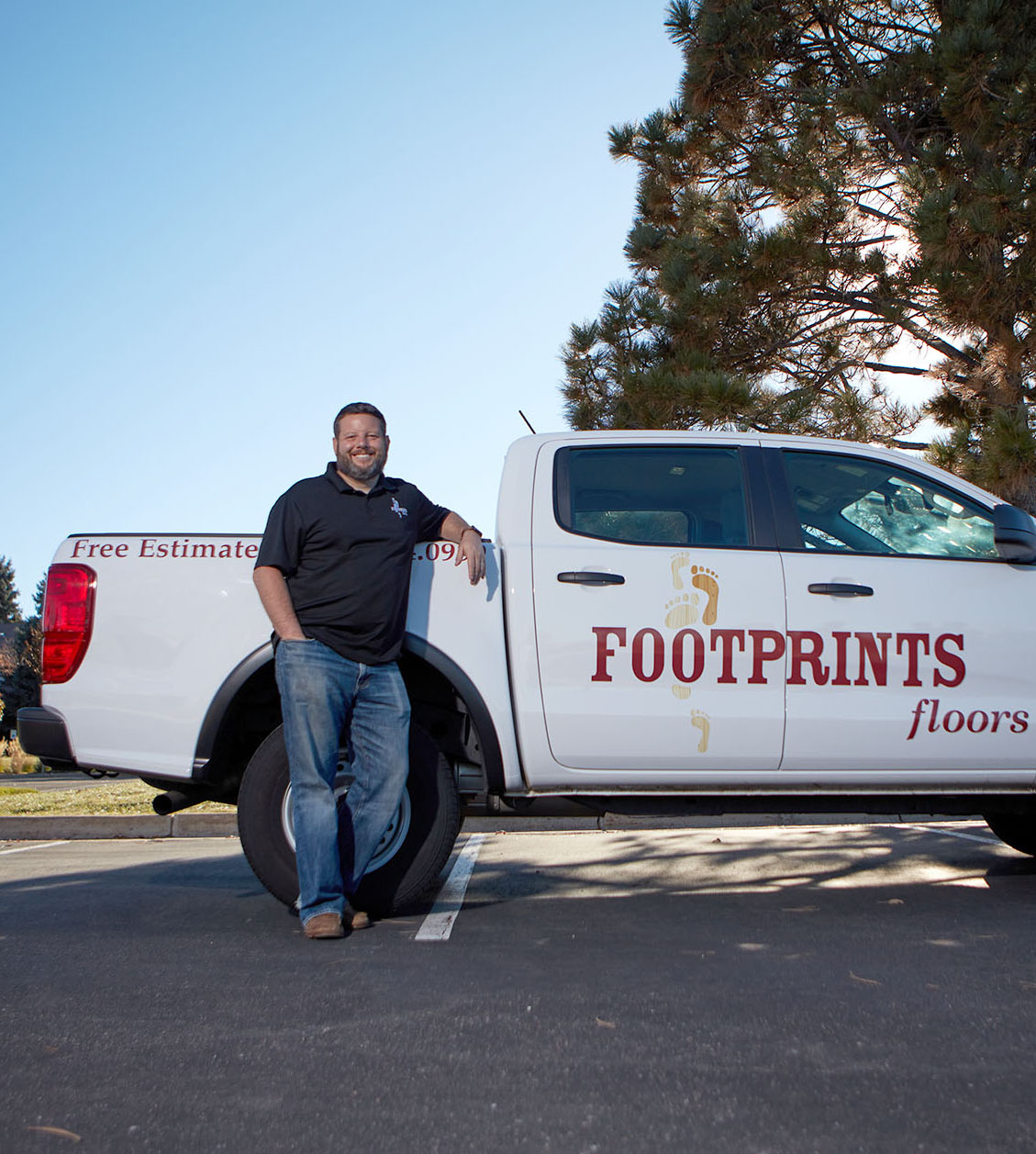
Bryan Park is the Founder and CEO of Footprints Floors and its sister company, Footprints Bath and Tile. With years of experience, our family-owned business has become a trusted partner for homeowners. We specialize in flooring installation and restoration, delivering tailored solutions for any home. Footprints Floors embodies expert craftsmanship and personalized service.
We have a team of experts ready to bring your vision to life! Do you have a flooring or tile question? Our team would love to help!

Prefer to pay over time rather than all at once? Submit an estimate or call us for more details on financing your flooring project!